Case Study List
How G8 design helps users more effectively through design..
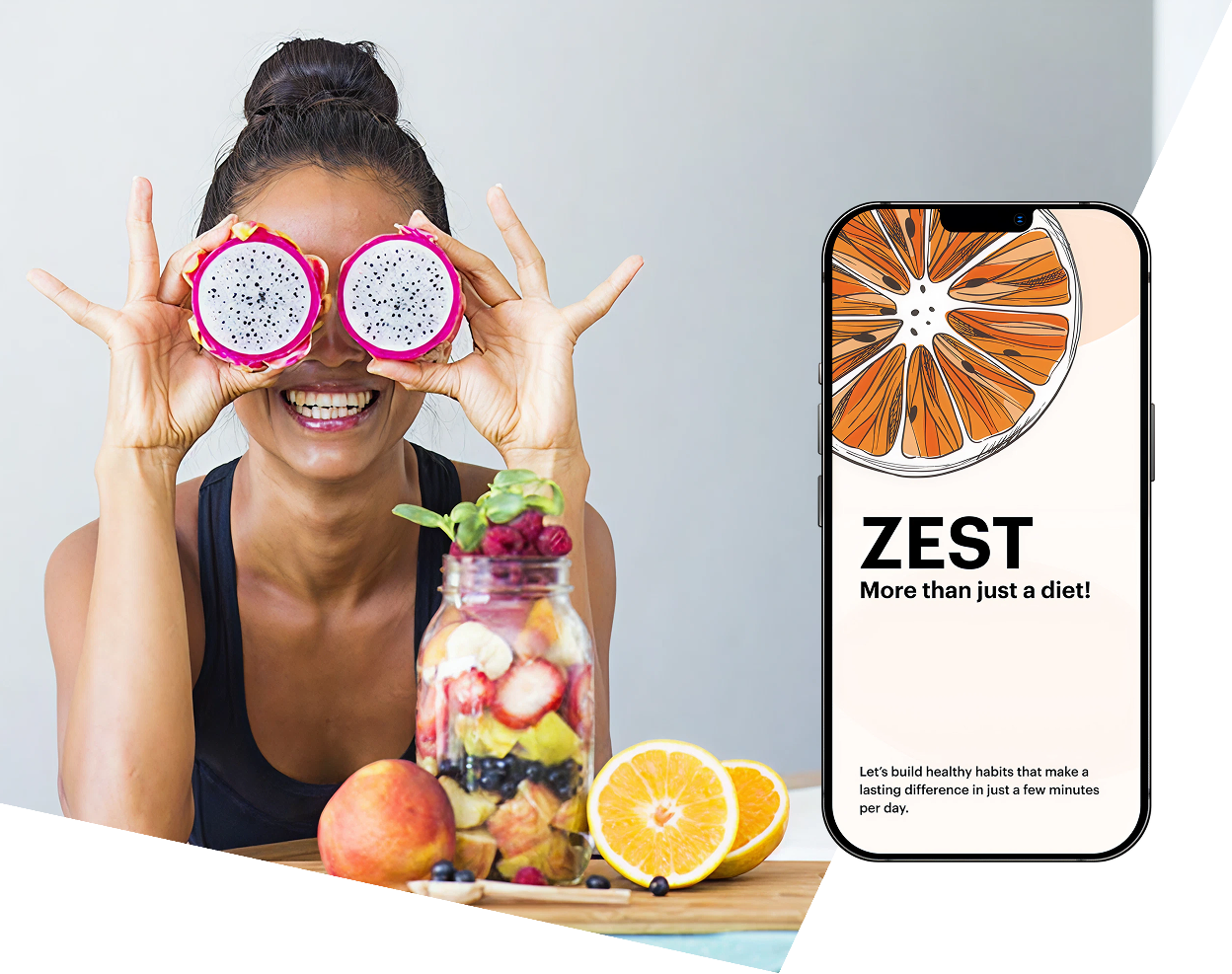
Zest - AI Content Personalization LLM Engine: Intelligent Health Recommendations
Health app users suffer from content overwhelm. Generic health articles and tips flood feeds with equal prominence, forcing users to sift through irrelevant content. Users feel like the app doesn't understand their interests. Engagement plateaus because content feels generic and impersonal. Churn analysis showed users who couldn't find relevant content abandoned app within 7 days at 3.5x higher rates.
Read more
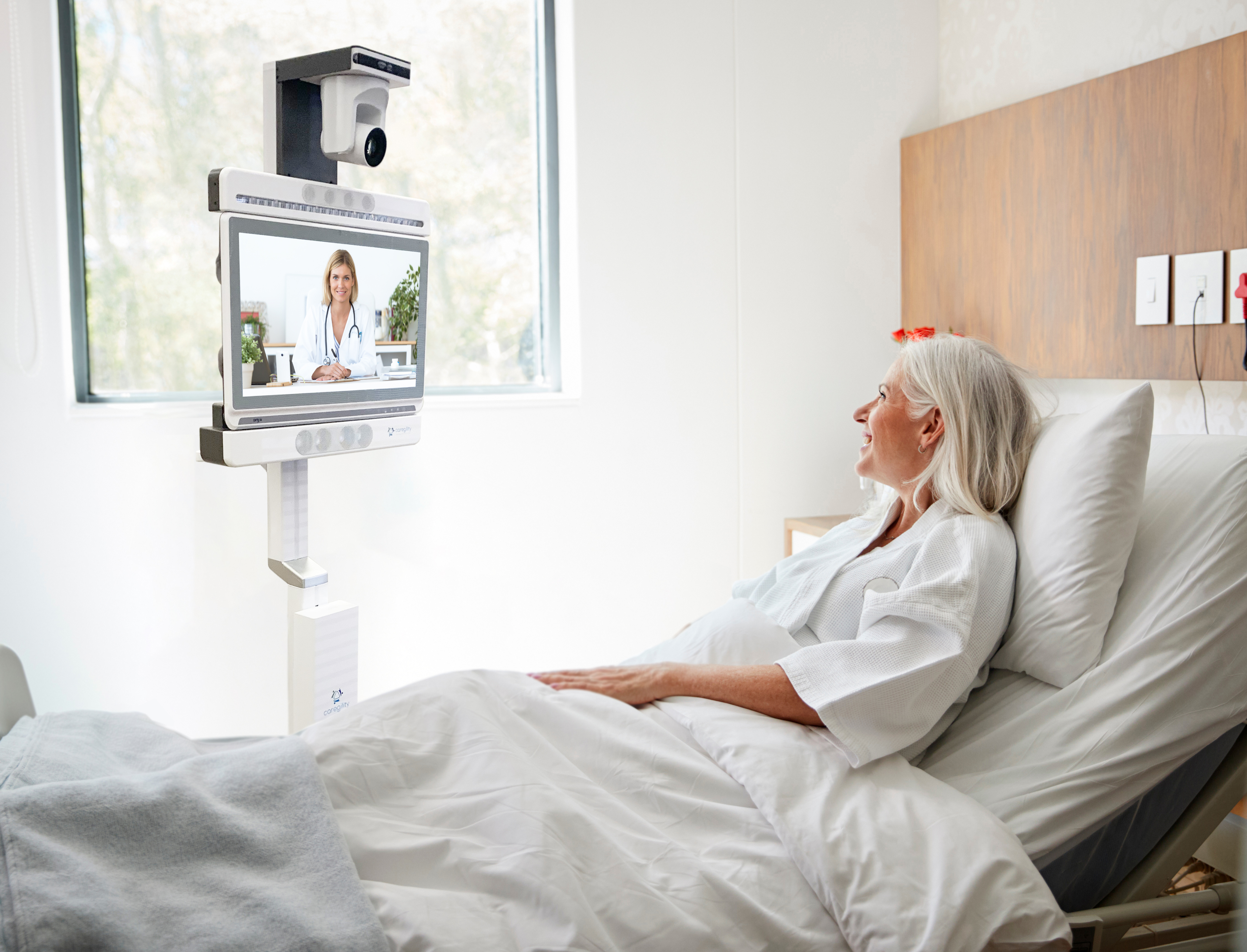
CopilotIQ - remoteIQ Assistant: AI-Powered Clinical Documentation Agent
Nurses spend 15–20 minutes per patient call manually documenting clinical observations. Real-time documentation friction delays patient callbacks and reduces nurse availability. During high-acuity remote calls, nurses juggle patient monitoring, vital sign interpretation, and note-taking—creating cognitive overload and documentation errors. This reduces time-to-callback by 8+ minutes and increases compliance risk through incomplete notes.
Read more
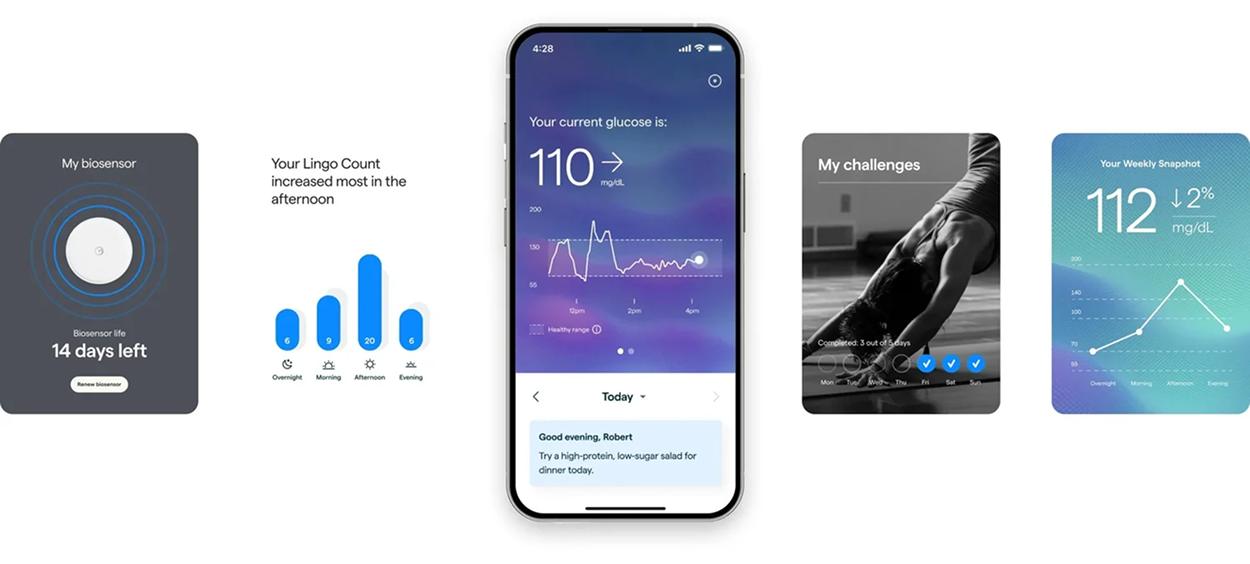
Lingo by Abbott - Personalized Metabolic Coaching: Individual + Team Engagement
Metabolic health app faced engagement plateau at 10K users. Onboarding converted users to app adoption, but retention declined after week 3. Users completed personal coaching lessons but didn't maintain engagement. Competitive analysis showed apps with social/team features had 2.5x higher 30-day retention. LINGO needed to add team-based engagement without losing individual coaching personalization.
Read more
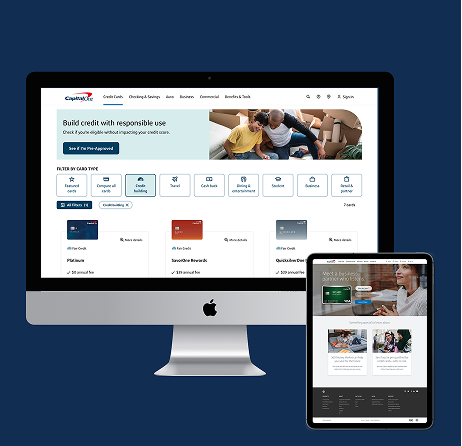
Capital One - Credit Transfer
Credit cardholders often have credit spread across multiple Capital One cards but lack tools to optimize their credit allocation. Users with high utilization on one card and available credit on another couldn't move credit between cards—forcing them to request credit line increases or accept lower credit scores. Research showed 31% of multi-card users wanted this feature but saw it as impossible, resulting in missed optimization opportunity.
Read more
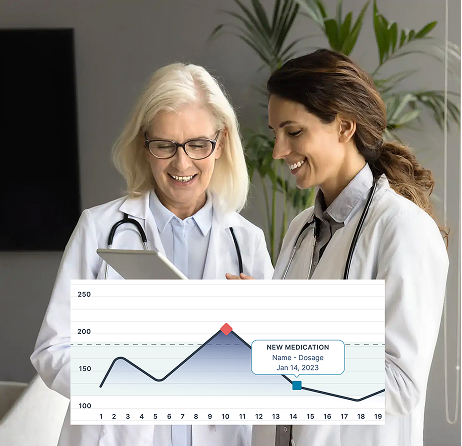
CopilotIQ - Patient App Mobile Enhancement: Redesigned Patient Experience
CopilotIQ's patient mobile app had poor engagement and usability. Users found the app cluttered, slow, and difficult to navigate. Symptom check-in process was 8+ screens, leading to 34% abandonment rate. Patients couldn't easily view care plans, messages from nurses, or upcoming appointments. Engagement metrics showed 40% of patients never returned to the app after first use.
Coming soon
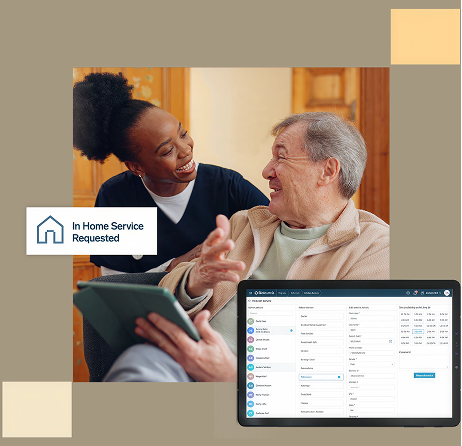
Biofourmis - Nurse Dashboard: Multi-Condition Remote Monitoring Workspace
Remote nursing teams struggle to manage multiple patients with complex conditions. Vital sign data scattered across multiple systems; nurses switch between 4+ applications to build a complete patient picture. Clinical note-taking during patient calls requires manual entry, creating documentation friction and errors. Call time averages 18 minutes, with 6+ minutes spent searching for patient data and 4+ minutes on documentation.
Coming soon
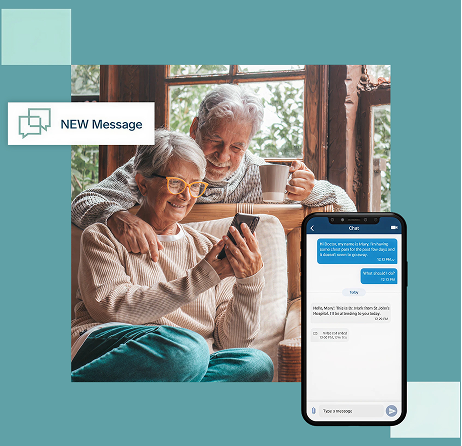
Biofourmis - Alert System: Clinical Alert Architecture for Remote Monitoring
Remote monitoring generates high false-alert rates. Automated thresholds trigger alerts for normal variations (patient moved to higher altitude, had caffeine before BP check). Nurses dismiss 73% of alerts as false positives, leading to alert fatigue and missed critical deterioration. System sends 120+ alerts daily to nursing team for 200-patient cohort—creating noise that obscures true emergencies.
Coming soon
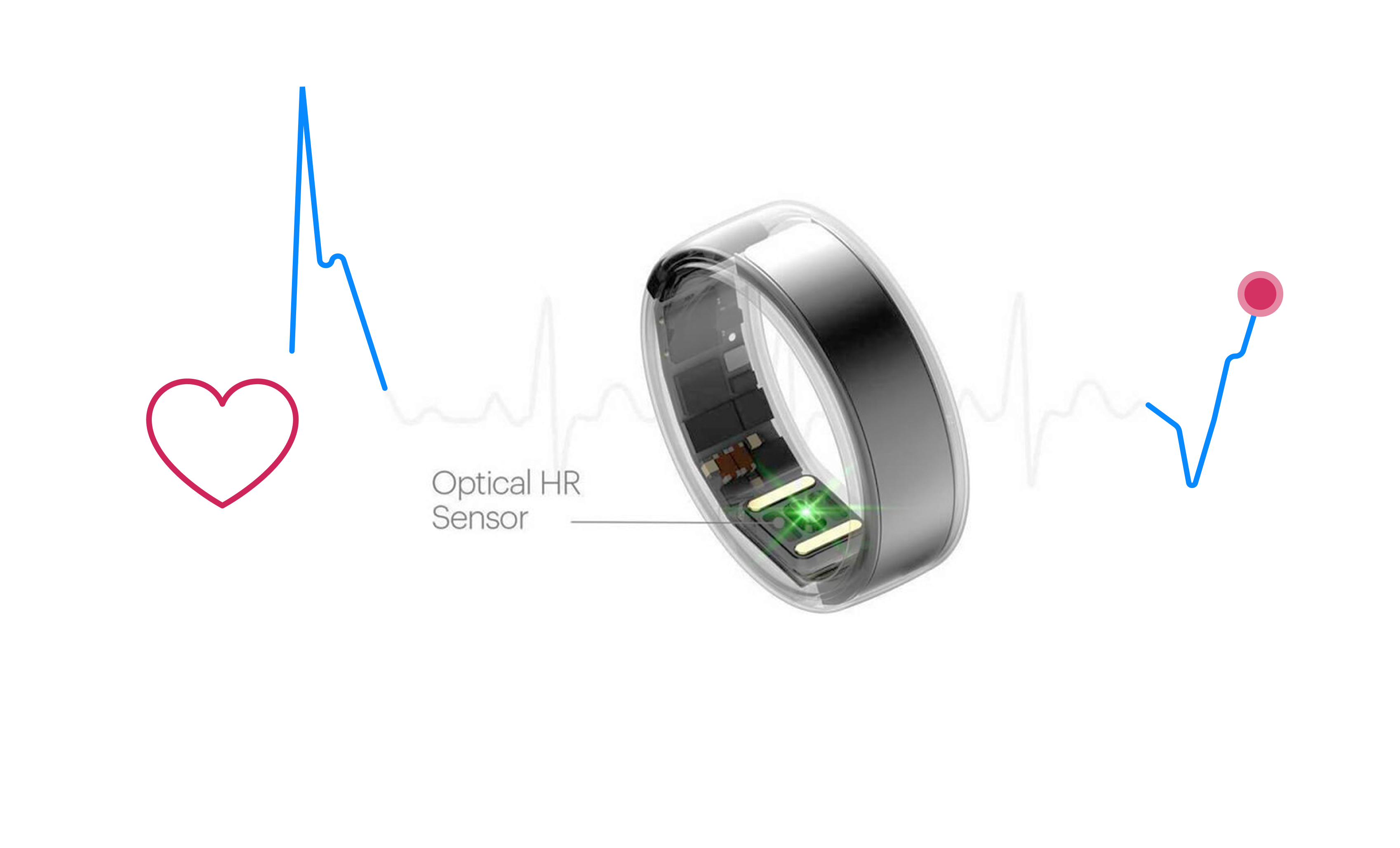
Motiv Ring - Smart Ring UX: From 2017
In 2017, smart rings faced a critical adoption barrier: sizing confusion. Customers ordered multiple sizes to find fit, driving fulfillment costs to unsustainable levels. 18% return rate—50% higher than industry average. Setup was complicated: unclear how to charge, pair, or calibrate. 22% first-week abandonment. Core issue: sizing kit wasn't intuitive (millimeters vs. US sizing, no visual guides), and 40% of customers guessed wrong on first order.
Coming soon


Case Study ListCase Study List
How G8 design helps users more effectively through design..
Zest - AI Content Personalization LLM Engine: Intelligent Health Recommendations
Health app users suffer from content overwhelm. Generic health articles and tips flood feeds with equal prominence, forcing users to sift through irrelevant content. Users feel like the app doesn't understand their interests. Engagement plateaus because content feels generic and impersonal. Churn analysis showed users who couldn't find relevant content abandoned app within 7 days at 3.5x higher rates.
Read more
CopilotIQ - remoteIQ Assistant: AI-Powered Clinical Documentation Agent
Nurses spend 15–20 minutes per patient call manually documenting clinical observations. Real-time documentation friction delays patient callbacks and reduces nurse availability. During high-acuity remote calls, nurses juggle patient monitoring, vital sign interpretation, and note-taking—creating cognitive overload and documentation errors. This reduces time-to-callback by 8+ minutes and increases compliance risk through incomplete notes.
Read more
Lingo by Abbott - Personalized Metabolic Coaching: Individual + Team Engagement
Metabolic health app faced engagement plateau at 10K users. Onboarding converted users to app adoption, but retention declined after week 3. Users completed personal coaching lessons but didn't maintain engagement. Competitive analysis showed apps with social/team features had 2.5x higher 30-day retention. LINGO needed to add team-based engagement without losing individual coaching personalization.
Read more
Capital One - Credit Transfer
Credit cardholders often have credit spread across multiple Capital One cards but lack tools to optimize their credit allocation. Users with high utilization on one card and available credit on another couldn't move credit between cards—forcing them to request credit line increases or accept lower credit scores. Research showed 31% of multi-card users wanted this feature but saw it as impossible, resulting in missed optimization opportunity.
Read more
Motiv Ring - Smart Ring UX: From 2017
In 2017, smart rings faced a critical adoption barrier: sizing confusion. Customers ordered multiple sizes to find fit, driving fulfillment costs to unsustainable levels. 18% return rate—50% higher than industry average. Setup was complicated: unclear how to charge, pair, or calibrate. 22% first-week abandonment. Core issue: sizing kit wasn't intuitive (millimeters vs. US sizing, no visual guides), and 40% of customers guessed wrong on first order.
Coming soon
CopilotIQ - Patient App Mobile Enhancement: Redesigned Patient Experience
CopilotIQ's patient mobile app had poor engagement and usability. Users found the app cluttered, slow, and difficult to navigate. Symptom check-in process was 8+ screens, leading to 34% abandonment rate. Patients couldn't easily view care plans, messages from nurses, or upcoming appointments. Engagement metrics showed 40% of patients never returned to the app after first use.
Coming soon
Biofourmis - Nurse Dashboard: Multi-Condition Remote Monitoring Workspace
Remote nursing teams struggle to manage multiple patients with complex conditions. Vital sign data scattered across multiple systems; nurses switch between 4+ applications to build a complete patient picture. Clinical note-taking during patient calls requires manual entry, creating documentation friction and errors. Call time averages 18 minutes, with 6+ minutes spent searching for patient data and 4+ minutes on documentation.
Coming soon
Biofourmis - Alert System: Clinical Alert Architecture for Remote Monitoring
Remote monitoring generates high false-alert rates. Automated thresholds trigger alerts for normal variations (patient moved to higher altitude, had caffeine before BP check). Nurses dismiss 73% of alerts as false positives, leading to alert fatigue and missed critical deterioration. System sends 120+ alerts daily to nursing team for 200-patient cohort—creating noise that obscures true emergencies.
Coming soon


LOCATION
San Francisco
CONTACT
(415) 725-8725
hi@G8.design

G8.DESIGN

Case Study List
How G8 design helps users more effectively through design..
Zest - AI Content Personalization Engine: LLM rule based Intelligent Health Recommendations
Health app users suffer from content overwhelm. Generic health articles and tips flood feeds with equal prominence, forcing users to sift through irrelevant content. Users feel like the app doesn't understand their interests. Engagement plateaus because content feels generic and impersonal. Churn analysis showed users who couldn't find relevant content abandoned app within 7 days at 3.5x higher rates.
Read more
CopilotIQ - remoteIQ Assistant: AI-Powered Clinical Documentation Agent
Nurses spend 15–20 minutes per patient call manually documenting clinical observations. Real-time documentation friction delays patient callbacks and reduces nurse availability. During high-acuity remote calls, nurses juggle patient monitoring, vital sign interpretation, and note-taking—creating cognitive overload and documentation errors. This reduces time-to-callback by 8+ minutes and increases compliance risk through incomplete notes.
Read more
Lingo by Abbott - Personalized Metabolic Coaching: Individual + Team Engagement
Metabolic health app faced engagement plateau at 10K users. Onboarding converted users to app adoption, but retention declined after week 3. Users completed personal coaching lessons but didn't maintain engagement. Competitive analysis showed apps with social/team features had 2.5x higher 30-day retention. LINGO needed to add team-based engagement without losing individual coaching personalization.
Read more
Capital One - Credit Transfer
Credit cardholders often have credit spread across multiple Capital One cards but lack tools to optimize their credit allocation. Users with high utilization on one card and available credit on another couldn't move credit between cards—forcing them to request credit line increases or accept lower credit scores. Research showed 31% of multi-card users wanted this feature but saw it as impossible, resulting in missed optimization opportunity.
Read more
Motiv Ring - Smart Ring UX: From 2017
In 2017, smart rings faced a critical adoption barrier: sizing confusion. Customers ordered multiple sizes to find fit, driving fulfillment costs to unsustainable levels. 18% return rate—50% higher than industry average. Setup was complicated: unclear how to charge, pair, or calibrate. 22% first-week abandonment. Core issue: sizing kit wasn't intuitive (millimeters vs. US sizing, no visual guides), and 40% of customers guessed wrong on first order.
Coming soon
CopilotIQ - Patient App Mobile Enhancement: Redesigned Patient Experience
CopilotIQ's patient mobile app had poor engagement and usability. Users found the app cluttered, slow, and difficult to navigate. Symptom check-in process was 8+ screens, leading to 34% abandonment rate. Patients couldn't easily view care plans, messages from nurses, or upcoming appointments. Engagement metrics showed 40% of patients never returned to the app after first use.
Coming soon
Biofourmis - Nurse Dashboard: Multi-Condition Remote Monitoring Workspace
Remote nursing teams struggle to manage multiple patients with complex conditions. Vital sign data scattered across multiple systems; nurses switch between 4+ applications to build a complete patient picture. Clinical note-taking during patient calls requires manual entry, creating documentation friction and errors. Call time averages 18 minutes, with 6+ minutes spent searching for patient data and 4+ minutes on documentation.
Coming soon
Biofourmis - Alert System: Clinical Alert Architecture for Remote Monitoring
Remote monitoring generates high false-alert rates. Automated thresholds trigger alerts for normal variations (patient moved to higher altitude, had caffeine before BP check). Nurses dismiss 73% of alerts as false positives, leading to alert fatigue and missed critical deterioration. System sends 120+ alerts daily to nursing team for 200-patient cohort—creating noise that obscures true emergencies.
Coming soon


LOCATION
San Francisco
CONTACT
(415) 725-8725
hi@G8.design

G8.DESIGN